hard data / soft bodies

20252025ELEKTRA, Montréal, CA
Elena Romanova — tamagotchi modelAntoine Doré — additional sound designAudrey Laflamme — additional 3D modellingHeacho — tech director (ISEA exhibition)

Un environnement virtuel génératif portant sur notre façon d'interfacer avec la technologie, présenté sous forme d'installation, d'animation monocanal et de performance en direct.A generative virtual environment centered on how we interface with technology, presented as installation, single-channel animation, and live performance.
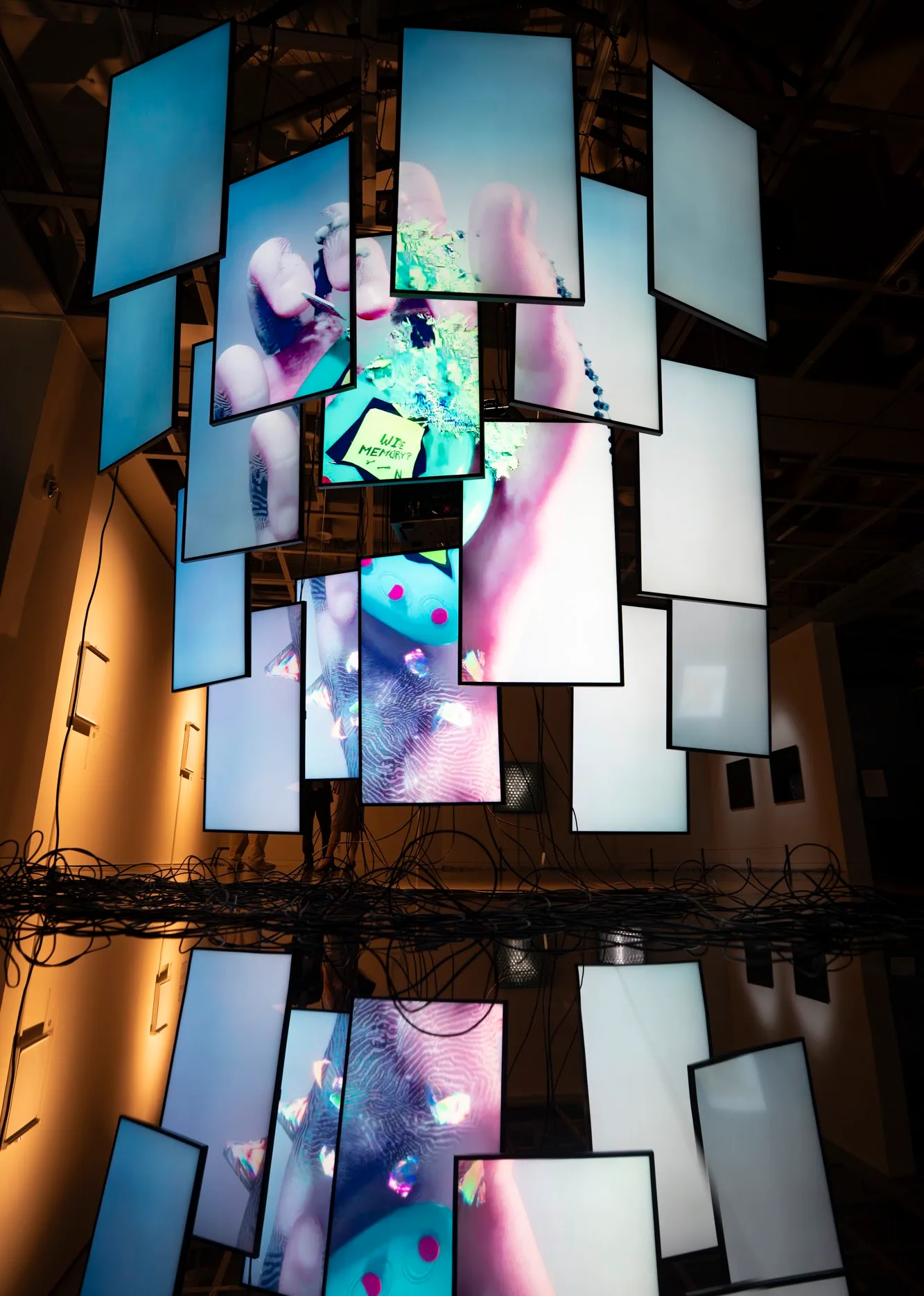
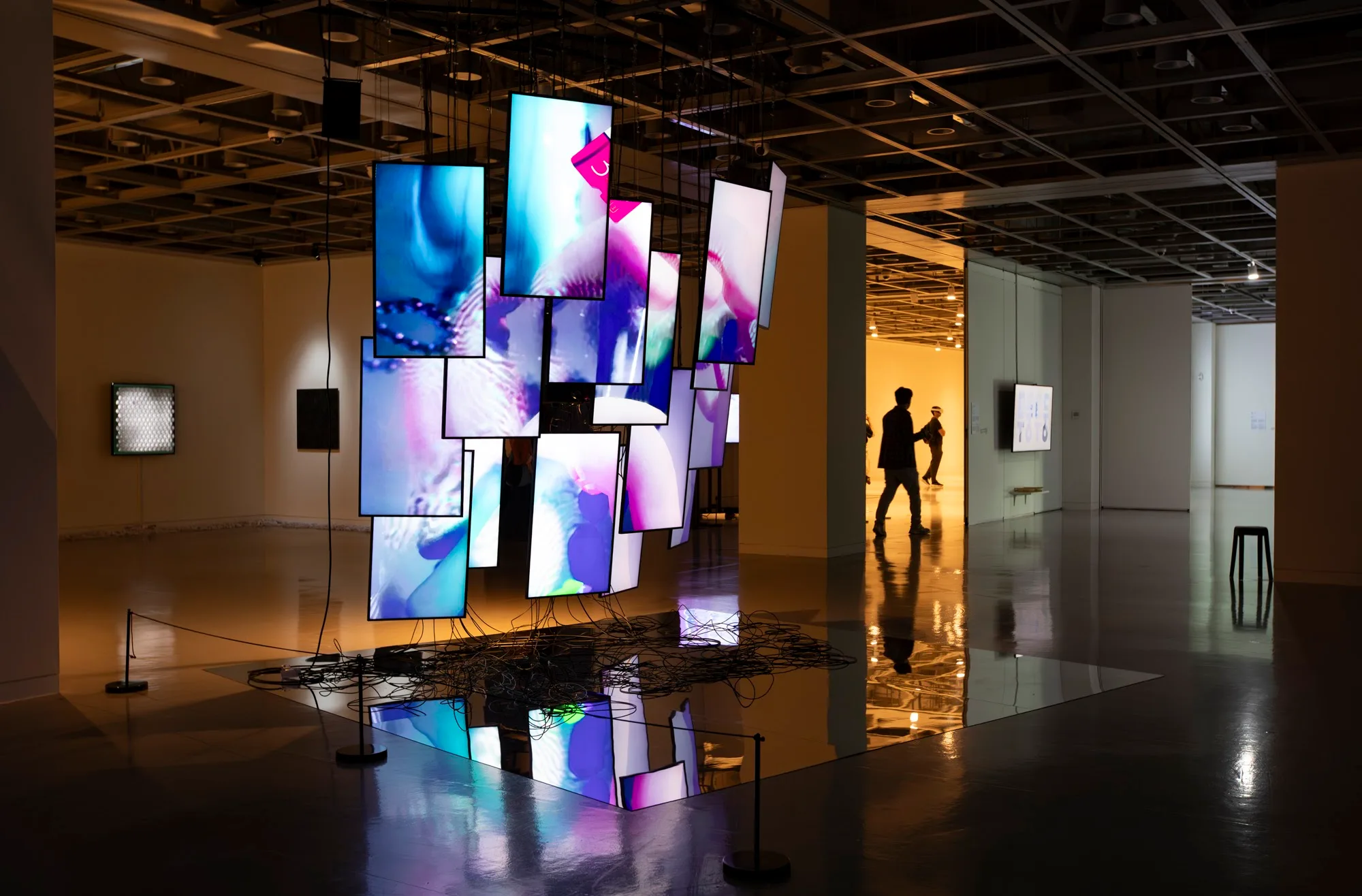
installation documentation

Pages liéesRelated pages

Aussi liés, pas encore publiés :Also related, not published yet: lunchmeat festival 2025, the observatory

shorten

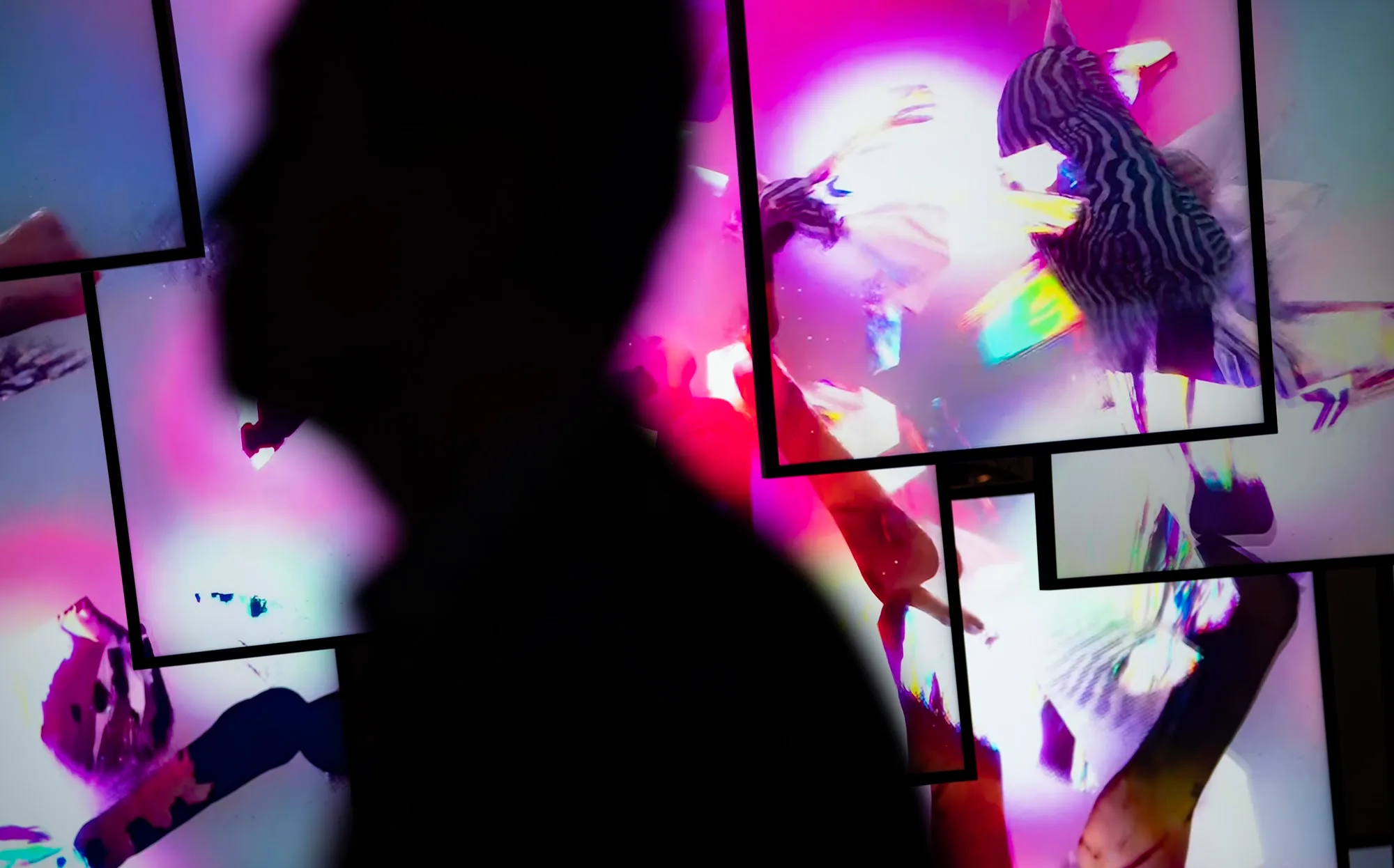
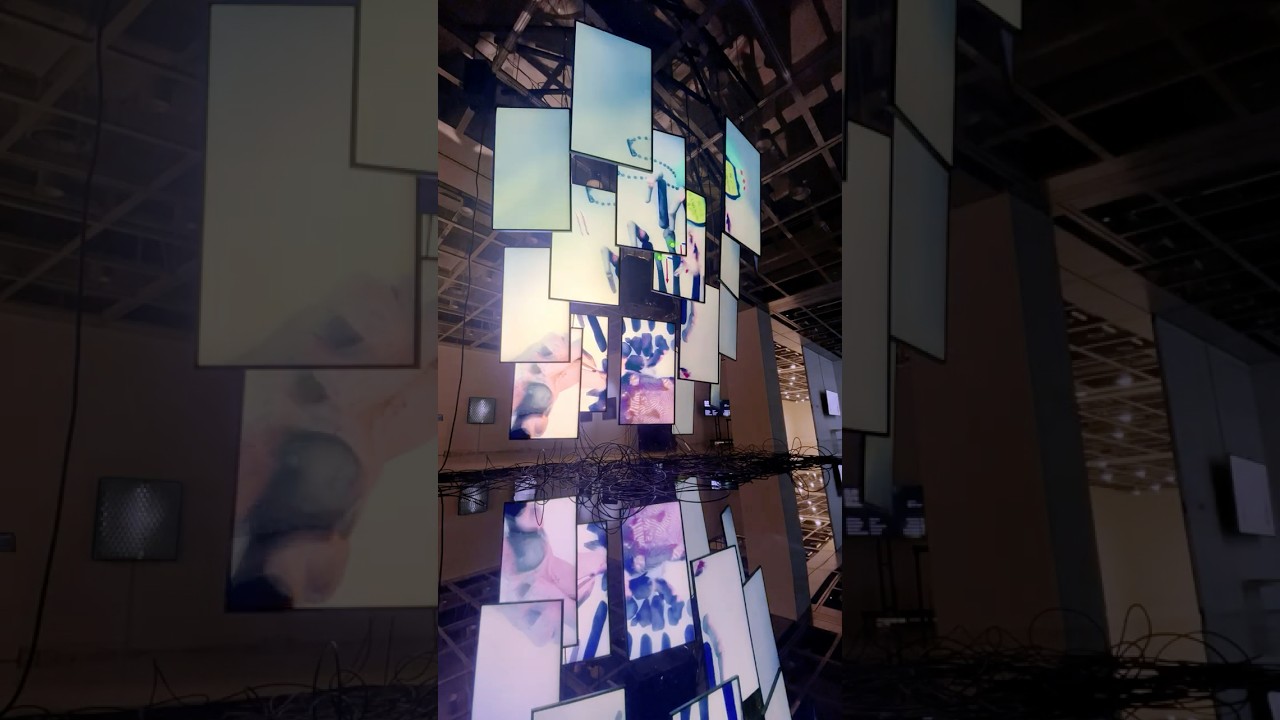
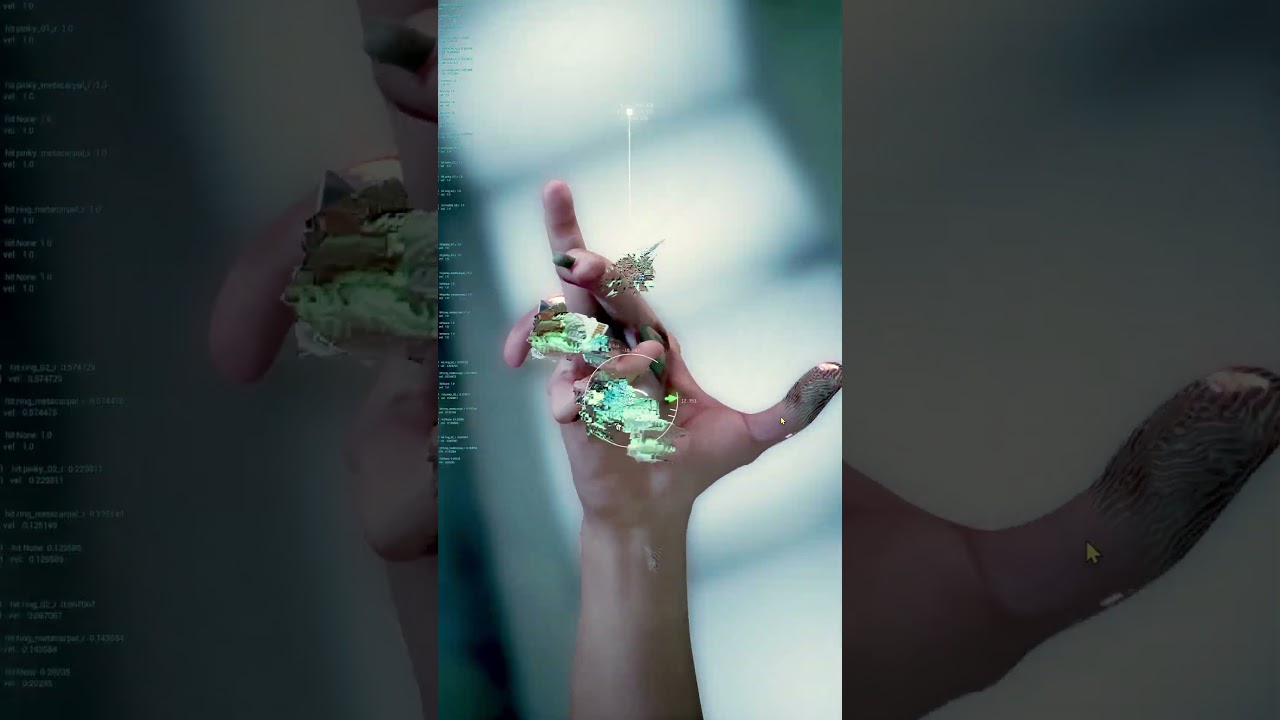
hard data / soft bodies is a generative virtual environment centered on how we interface with technology. The means of diffusion in art should adapt to the creation itself, not the other way around. Until then, the piece functions as an ongoing virtual playground that can be presented as a multi-screen installation, a single-channel animated work, a live performance, or a combination of these. Each mode foregrounds a different dimension of the same ecosystem: the installation emphasizes the materiality of our immersion with technology; the animations highlight the cinematography and nature of this virtual world; the performance reveals the embodied, improvisational relationship between artist and system.

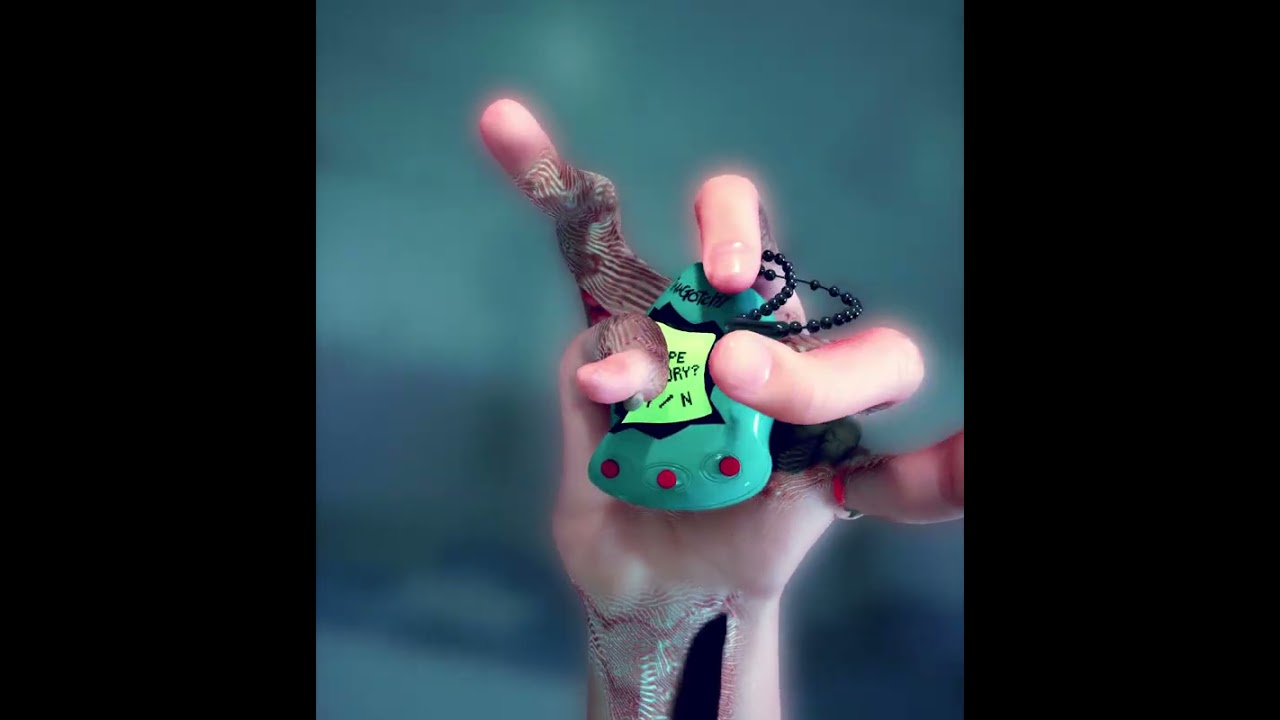
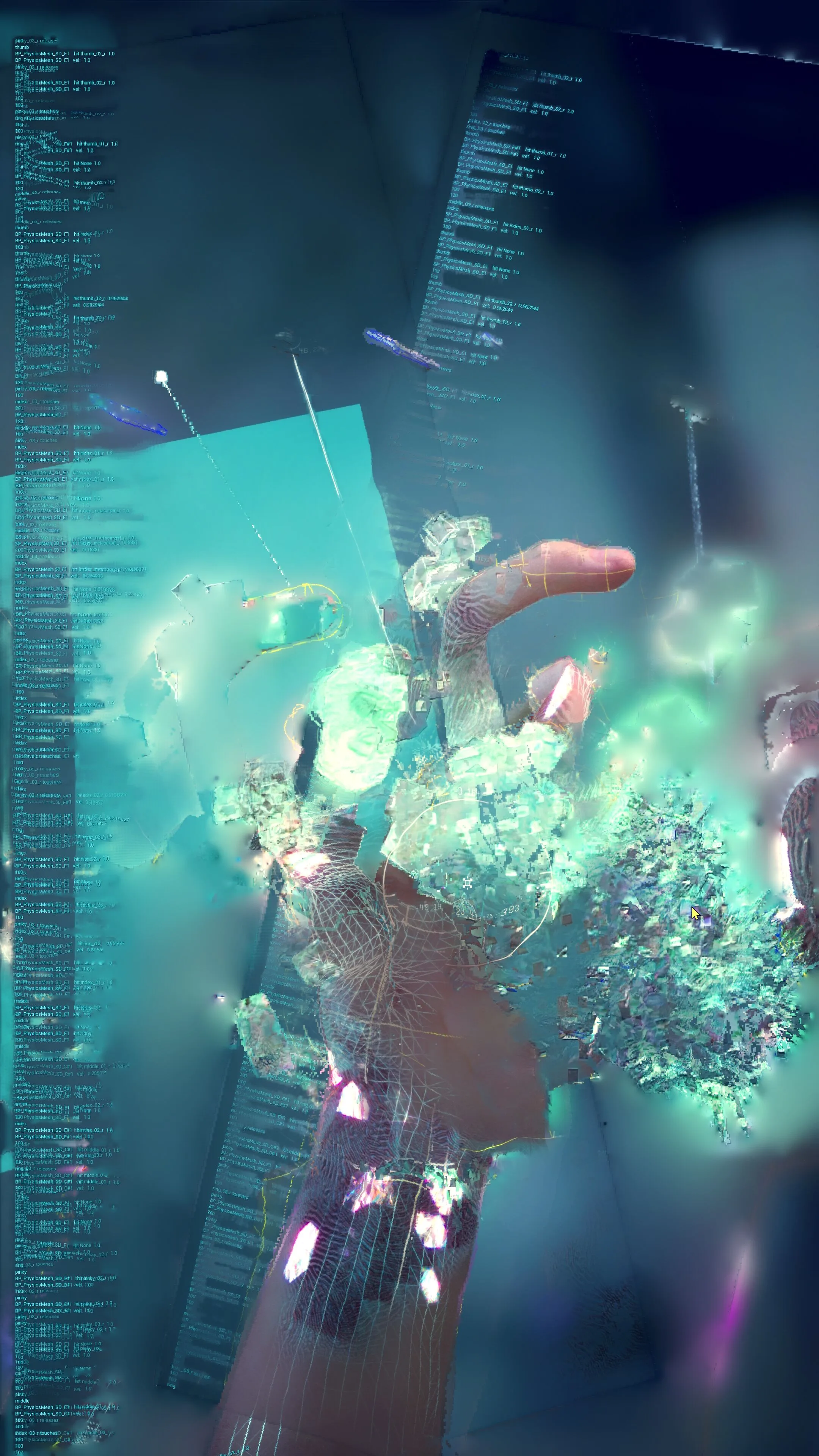
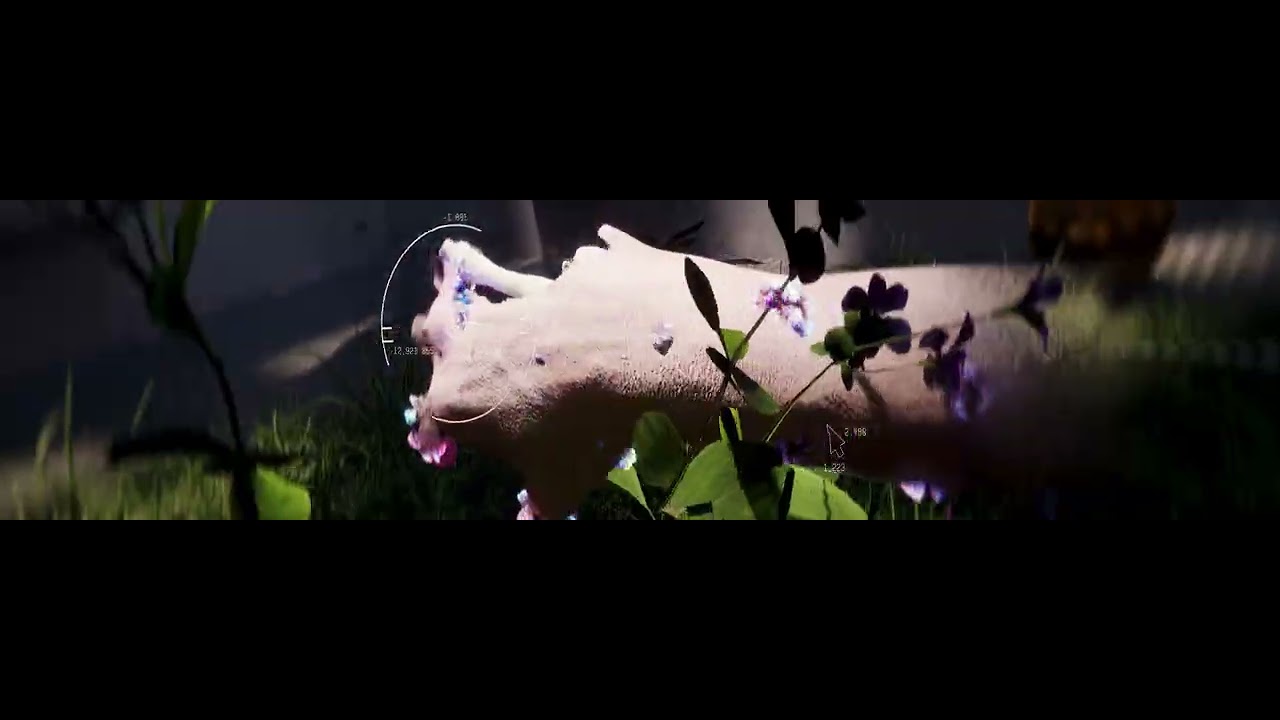
Within this simulation, organic forms drift: bone fragments, marrow-like blobs, disjointed fingers and memory devices drawn into gravitational choreography. Together, they form a lexicon defining how technology and body are intertwined on a daily basis. Consequently, the environment they occupy remains liminal, in constant flux, and inherently fragile. This “virtual matter” resists perfection. As hardware and anatomy deform one another, the project explores how technology shapes, compresses and distorts the body. Our perspective on this reality is filtered by a vacillating camera and lights that reveal the parametric nature of the system through data traces inspired by the tools I criticize.

ouvrir sur sa pageopen on its own page →
hard data/soft bodiesen

Real time rendering is, before anything else, a simulation of light. A surface in a virtual world exists only insofar as it decides what to do with a ray: absorb it, scatter it, bend it, throw it back. Light is the variable through which the machine claims that something is matter. It is also the first thing to betray the claim.

hard data / soft bodies is a diptych drawn from a single instrument: a virtual studio I have been assembling for years by bending game engines into something closer to synthesizers. Motion capture gloves and controllers extend my body into the simulation, every parameter can be performed, and nothing is baked. The two works are two postures held toward the same system. On one side I push. On the other I tend.

hard data is the pushing. A simulation holds too much information: too much precision, everywhere, far more than anyone could follow. So we round. We force keyframes onto clean, legible, reassuring values, and those values are never the right ones. Here I refuse the rounding. I drive the variables that allow a virtual world to imitate the real (depth, perspective, reflectivity, the behaviour of light across a surface) past the point where the imitation holds. What emerges still refers to nature: you recognize the gloss, the weight, the fall. But it is so far off that it has moved through the uncanny and come out the other side, on its way to abstraction. This is what I call virtual matter: the moment the medium takes over the simulation, when the simulation breaks and shows its digital nature. The precision I am after was never in the clean number. It is in the chaos of spontaneity.

soft bodies is the tending. Same laboratory, opposite hand. Here the system is left to run: algorithmic, but deep enough to appear alive. When we say that a digital system looks organic, we mean that it has become complex enough that we no longer fully control it. We admire exactly what escapes us. I work here as a gardener rather than as an architect: I maintain the conditions, I prune, I wait, and I stay attentive to what grows without me. The system is unstable and fragile, and I do not know it yet. The risk is in the way I go to meet it, each time a little further.

Between the two there is a negotiation. Feedback is never an answer: it is two systems deforming one another until they find a form that holds. Cold data produces behaviour we read as living. Living gestures leave measurable traces. The tremor of a hand enters the machine as a noise the machine could not invent, and the machine returns something no hand could have planned.

In this diptych, light is also a diagnostic: the place where computation admits what it is. hard data / soft bodies holds both readings at once, a system pushed until it cracks and a system left alone until it grows, lit by the same equations.

ouvrir sur sa pageopen on its own page →
hard data/soft bodies, lux aeterna versionfr

Le rendu temps réel est d'abord une simulation de lumière. Une surface n'existe dans un monde virtuel que par la décision qu'elle prend face à un rayon : l'absorber, le disperser, le courber, le renvoyer. La lumière est la variable par laquelle la machine prétend qu'il y a matière. C'est aussi la première chose qui trahit la prétention.

hard data / soft bodies est un diptyque issu d'un seul instrument : un studio virtuel que j'assemble depuis des années en pliant les moteurs de jeu vers quelque chose de plus proche du synthétiseur. Des gants de capture de mouvement et des contrôleurs prolongent mon corps dans la simulation, chaque paramètre se joue, rien n'est figé à l'avance. Les deux œuvres sont deux postures tenues face au même système. D'un côté je pousse. De l'autre j'entretiens.

hard data, c'est la poussée. Dans une simulation, il y a trop de données. Trop de précision, partout. Ce serait absurde de vouloir tout suivre. Alors on arrondit : on force des keyframes à des valeurs propres, lisibles, rassurantes, et ces valeurs ne sont jamais les bonnes. Ici, je refuse l'arrondi. Je pousse les variables qui permettent au monde virtuel d'émuler le réel (la profondeur, la perspective, la réflectivité, le comportement de la lumière sur une surface) plus loin que prévu, jusqu'à ce que l'imitation cède. Ce qui apparaît renvoie encore à la nature (on reconnaît le lustre, le poids, la chute) mais c'est si décalé qu'on a traversé l'inquiétante étrangeté et qu'on en ressort de l'autre côté, en route vers l'abstraction. C'est ce que j'appelle la matière virtuelle : le moment où le médium prend le dessus sur la simulation, où la simulation se brise et laisse voir sa nature numérique. La vraie précision n'a jamais été dans le chiffre propre. Elle est dans le chaos de la spontanéité.

soft bodies, c'est l'entretien. Même laboratoire, main opposée. Ici, le système est laissé à lui-même : algorithmique, mais assez profond pour paraître organique. Quand on dit d'un système numérique qu'il a l'air organique, c'est un compliment : ça veut dire qu'il est devenu assez complexe pour qu'on ne le contrôle plus tout à fait. On admire exactement ce qui nous échappe. Je travaille ici en jardinier plutôt qu'en architecte : je maintiens les conditions, je tuteure, j'élague, j'attends, je reste attentif à ce qui pousse sans moi. Le système est instable, fragile, et je ne le connais pas encore. Le risque, c'est la façon dont je vais à sa rencontre. Chaque fois un peu plus loin.

Entre les deux, il y a une négociation. Le feedback n'est pas une réponse : c'est deux systèmes qui se déforment l'un l'autre jusqu'à trouver une forme tenable. La donnée froide produit des comportements qu'on lit comme vivants. Les gestes vivants laissent des traces mesurables. Le tremblement d'une main entre dans la machine comme un bruit qu'elle n'aurait pas su inventer, et la machine renvoie quelque chose qu'aucune main n'aurait pu prévoir.

Dans ce diptyque, la lumière est aussi un diagnostic : l'endroit où le calcul admet ce qu'il est. hard data / soft bodies tient les deux lectures à la fois, un système poussé jusqu'à la rupture et un système laissé à sa propre croissance, éclairés par les mêmes équations.

ouvrir sur sa pageopen on its own page →